

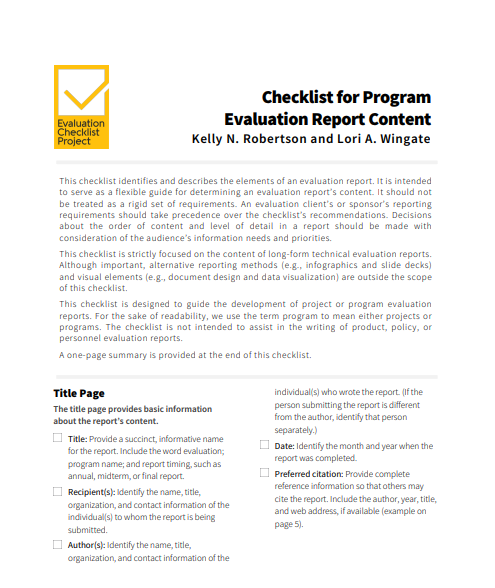
Checklist for Program Evaluation Report Content
This checklist outlines key content to look for when reviewing evaluation reports.
View evaluation report checklist
Receiving your evaluation report is not the end of your project’s evaluation. As an NSF ATE project team, you are the primary users and beneficiaries of your evaluation findings. The evaluation report should help you understand what is working, what may need to change, and what you can learn about your project’s implementations and outcomes. It is not simply a report prepared for your NSF program officer.


Schedule time for the project team to review evaluation findings together.

Identify patterns and questions that deserve attention.

Distinguish findings that call for action from those that provide useful context.

For each priority finding, create an action plan. Agree on a specific response, identify who will be responsible, set a timeline, and decide what evidence will indicate whether the change was helpful.
You can also ask your evaluator to facilitate reflection sessions, help interpret findings, or provide follow-up data to examine whether changes are having the intended effect. Treat evaluation as an ongoing cycle of finding, reflecting, acting, and checking helps make evaluation an integral part of project improvement rather than an end-of-project reporting requirement.
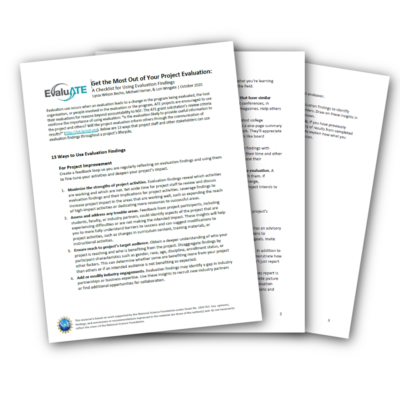
Getting the most out of your evaluation involves mining evaluation findings for project improvement, as well as for project dissemination and advocacy, accountability, and planning.
Evaluation findings become more valuable when they are shared with the people who can learn from them, act on them, or support continuation of the work. Another bonus? Communicating your project’s outcomes is a great way to build buy-in for your work.

What the project produces because of its activities.

What changes as a result of those activities.
What happens as those changes build over time.

The broader difference the project contributes to making.
For example, 50 students enrolled in the internship program.
Pre and post-test showed that student knowledge increased.
Among those who completed the program, 86% passed their certification exam.
This project has the potential to enhance workforce preparedness among STEM technicians.
Other reasons to communicate and disseminate your ATE evaluation findings include generating and inspiring:

Reporting is one essential way to communicate your project’s outcomes and impact. Writing the evaluation report is the responsibility of your evaluator. However, it is your responsibility to ensure this report meets your needs and to share it with others, both internal and external to your project.
The project ultimately owns the evaluation report. Translating evaluation findings into different report formats or lengths may be a collaborative effort between the project and the evaluation team; however, it is something you will need to consider and request.
When sharing your evaluation findings with others, consider the audience’s informational needs when preparing reports.

This checklist outlines key content to look for when reviewing evaluation reports.
View evaluation report checklist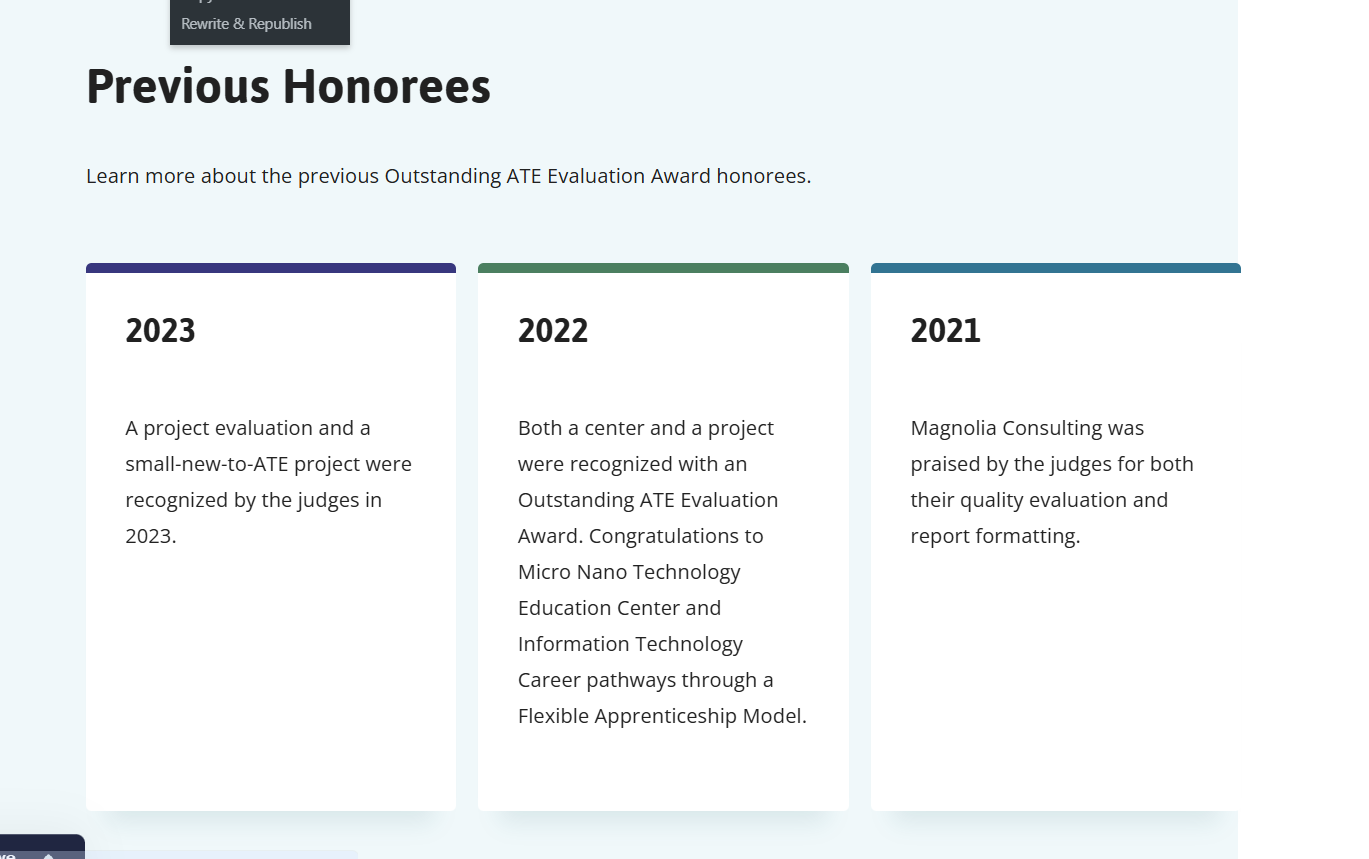
View the evaluation reports of previous Outstanding ATE Evaluation Award recipients to get a sense of what other projects have done.
View OEA reports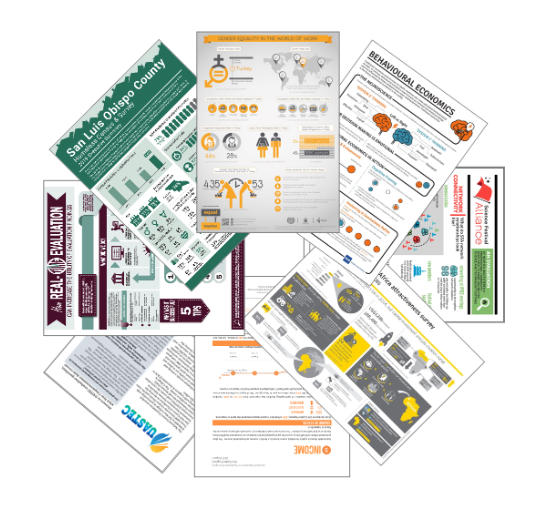
Check out EvaluATE’s toolkit on creating one-page reports and view examples to decide what will fit your project best.
View one-page report toolkit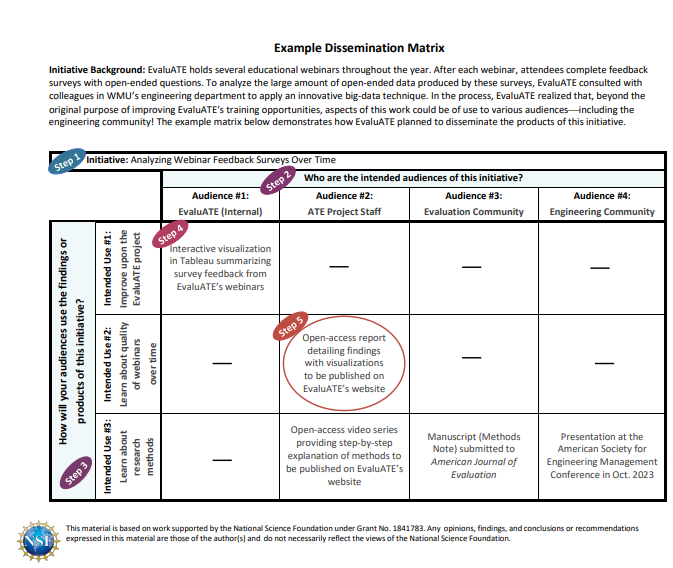
Complete this dissemination matrix with your evaluator to help plan when and how you’ll share evaluation findings with others.
Review Dissemination Matrix Template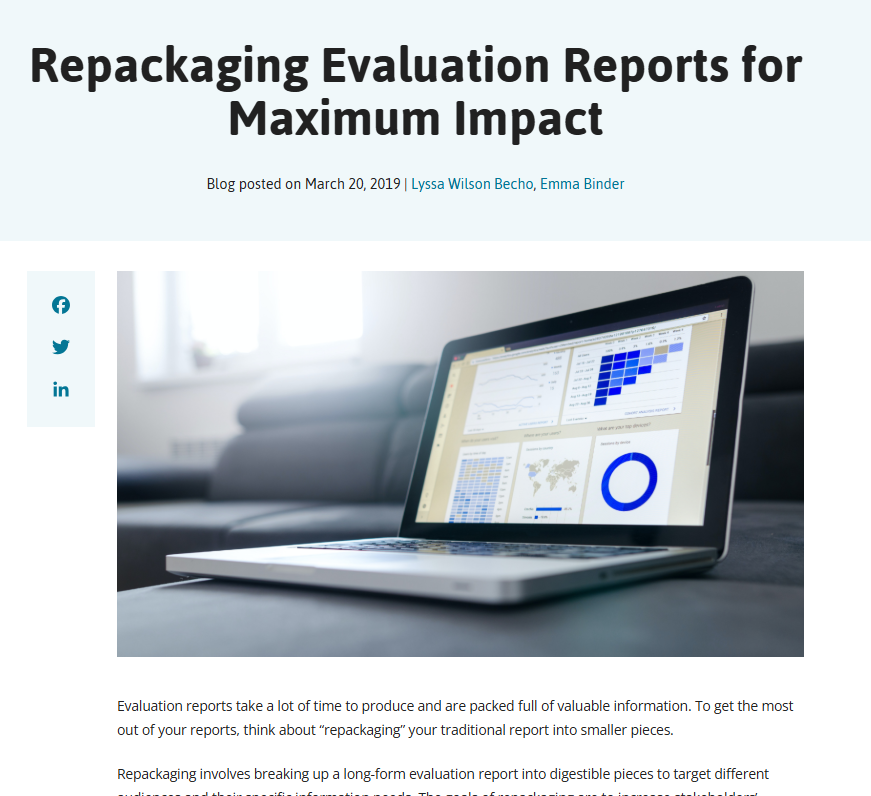
Repackaging involves breaking up a long-form evaluation report into digestible pieces to target different audiences and their specific information needs.
Read Repacking Evaluation Blog
This post shares practical strategies to help you get the most out of your evaluation.
Read Maximizing Impact Blog
This webinar explains the difference between outcomes and impact, helps you recognize your audience and explore strategies to share.
Learn From Communicating What Matters Webinar
This webinar explores ATE project outcomes and impacts.
View Sharing What Matters SlidesAs a funded NSF ATE project, you’ll be asked to complete four types of reporting.
In this annual report to NSF, you’ll be asked to describe progress towards your project’s goals and outcomes from the last year of your grant. The PI will submit this report through research.gov using a standard template. In the final year of your grant, this report will be called your Project Final Report. Anything shared in these reports is only visible to NSF.
This annual survey of active ATE principal investigators will ask you to report on your project activities and achievements from the previous calendar year. Survey items are asked in a way that allows for program-wide aggregation and provides an annual profile of the ATE program as a whole.

This report, written by your project’s evaluator, should always be attached to your Project Annual Report to NSF.

This short report is submitted only once at the end of your grant. It serves as a public documentation of your project’s activities and impact.

As part of the annual reporting process, you will be asked to report on your project’s outcomes, upload your evaluation report, and address anything in the evaluation report that merits additional attention. Reflecting on your evaluation report, consider these questions when preparing your NSF annual project report:
Make sure to request your evaluation report at least one month prior to your NSF annual project report. This will allow enough time for you to review the report, ask any questions you might have, and consider your project’s response to the findings or recommendations. Your NSF program officer doesn’t want a regurgitation of the evaluation findings in your annual report. They want to know what you learned and how your project adapted or changed in response to the evaluation.
Just like effective project management and other facilitators to evaluation in ATE, project sustainability is vital to the ATE program and important to revisit at all stages of your grant cycle. Sustainability is about planning for how the work will continue, grow, or have an impact after the grant ends. It can include funding, staffing, institutional support, partnerships, adoption of project products, and other factors that help successful work continue.
During one of your first meetings with your evaluator, identify what project sustainability means for your work and discuss how the evaluation can provide useful evidence to support your sustainability efforts.
Your evaluator may be able to help you identify what information to collect, gather perspectives from project interest holders, document changes over time, and interpret evidence to inform sustainability decisions. This could include asking questions such as:

What evidence do we have that our project activities, products, or practices are likely to continue after the grant ends?

What information would help us demonstrate the value of the project to institutional leaders, partners, or potential funders?

What do our faculty, students, industry partners, and administrators identify as important to sustaining the project’s work?

What information should we collect now that will help us assess whether the project’s outcomes or benefits are likely to persist over time?
Evaluation is intended to be useful to your current work and to help build a sustainable future. To make the most out of your ATE evaluation, you will want to:
the role of evaluation

with your evaluator frequently

evaluation data and findings to inform your work
what you are learning from your evaluation with others
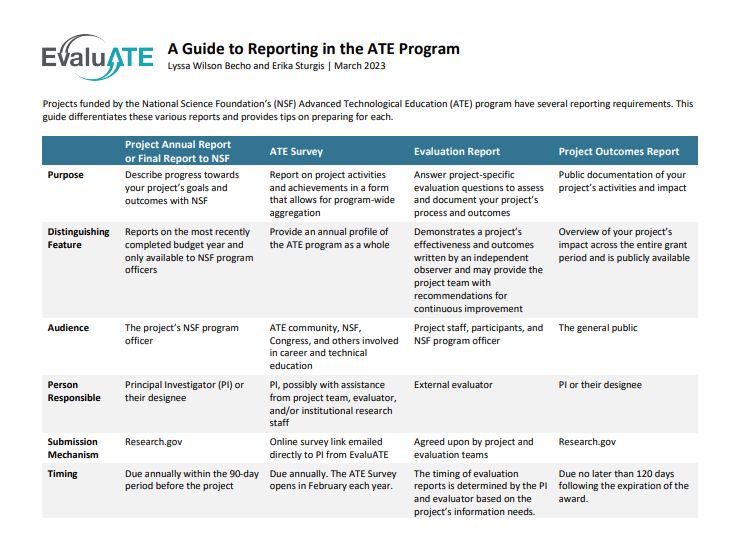
This guide differentiates between the four reports required of ATE programs funded by NSF.
View Guide to Reporting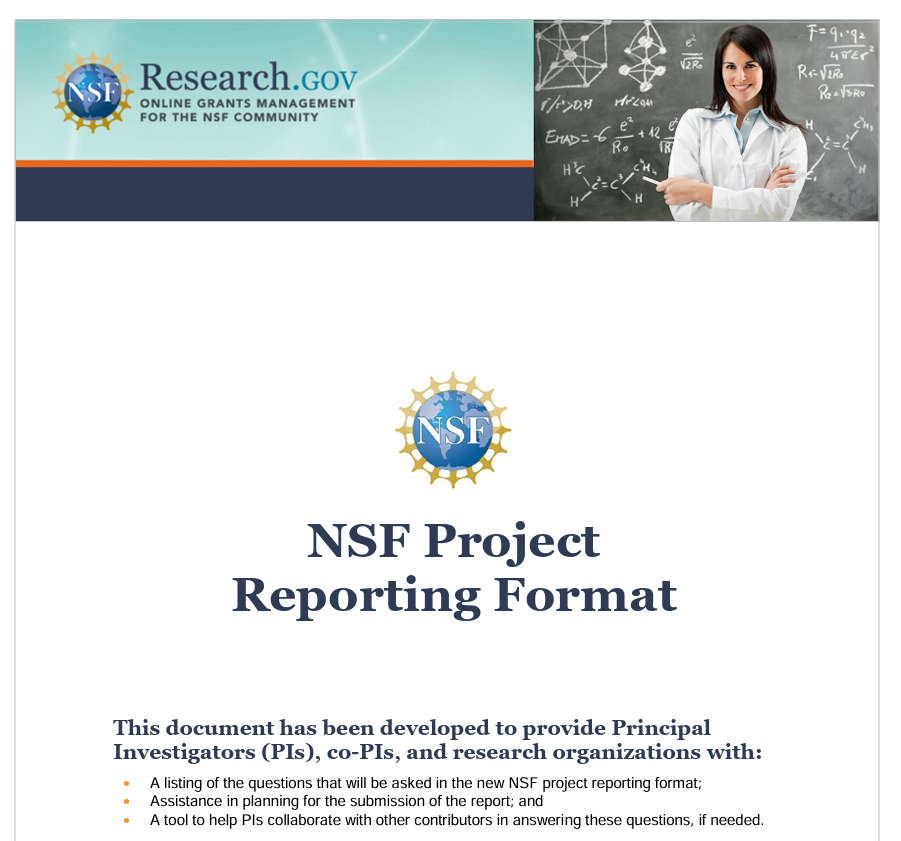
View the standard report template for research.gov submissions.
View Standard Template for Annual Reports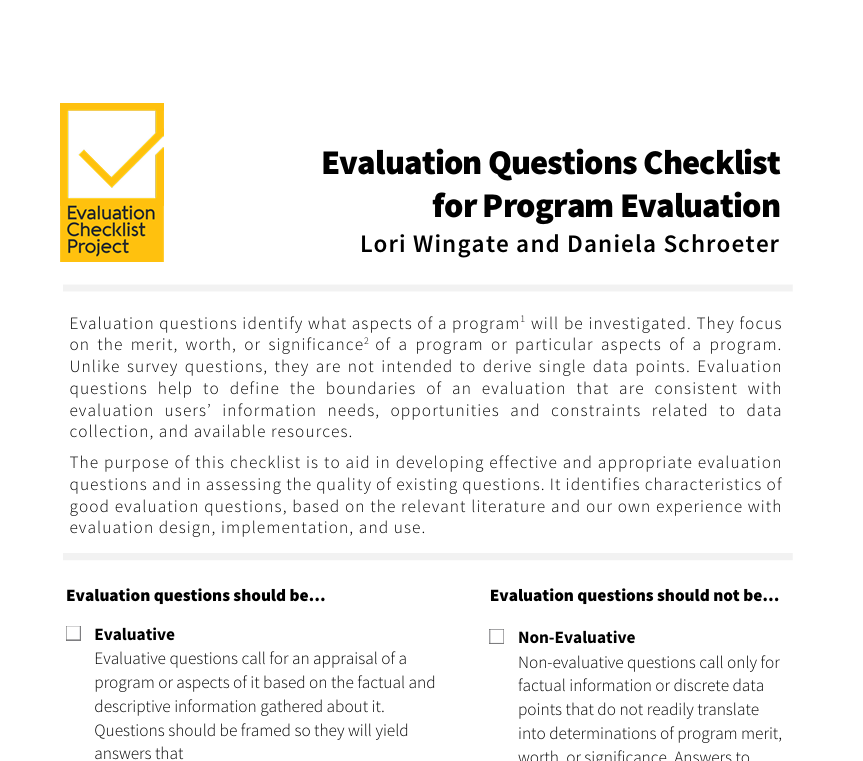
This checklist identifies and describes the elements of an evaluation report.
View Evaluation Report Checklist
Review NSF's requirements for monitoring your project's activities and impact.
Explore NSF Reporting Requirements EvaluATE is supported by the National Science Foundation under grant number 2332143. Any opinions, findings, and conclusions or recommendations expressed on this site are those of the authors and do not necessarily reflect the views of the National Science Foundation.